


빨리빨리 Culture Lesson | the pros and cons of Korea
- KSJ 쌤
- Apr 4
- 2 min read

What is 빨리빨리?
빨리빨리 literally means “quickly, quickly” or “hurry up!”
It reflects a major part of modern Korean culture — the desire for speed, efficiency, and progress.
In everyday life, you’ll hear Koreans say:
“빨리 와요!” = “Come quickly!”
“빨리 해요!” = “Do it fast!”
Over time, 빨리빨리 became more than a phrase — it’s a mindset that shaped the nation’s economy, technology, and lifestyle.
HISTORICAL BACKGROUND
After the Korean War (1950–1953), South Korea was one of the poorest countries in the world. To rebuild the nation quickly, Koreans worked tirelessly — building infrastructure, factories, and cities at record speed.
The “빨리빨리 mindset” became the engine behind: Rapid economic growth (the “Miracle on the Han River”)
Fast adoption of new technology
Modernization of cities and culture
빨리빨리 Examples in Everyday Life
You can see “빨리빨리” everywhere in Korea:
TECHNOLOGY
Korea has some of the fastest internet in the world.
People expect things to load instantly

DELIVERY
“배달의 민족” or “Coupang” offer same-day or even 1-hour delivery.
Speed = Good Service

TRANSPORTATION
High-speed trains (KTX) connect cities quickly.
Delays are rare and often apologized for.

WORK CULTURE
Efficiency and deadlines are highly valued.
Workers often multitask and move fast.

RESTAURANTS
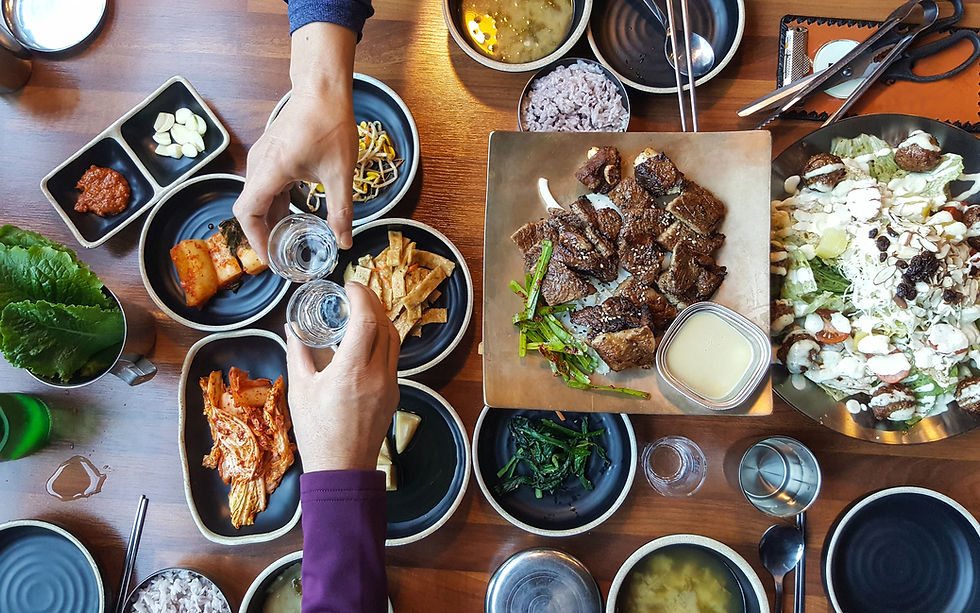
Food comes out very quickly — sometimes in minutes!
Koreans don’t like waiting long for meals.
PROS AND CONS OF 빨리빨리 CULTURE
Pros (Advantages):
Encourages efficiency and innovation
Builds a strong work ethic
Makes services convenient and fast
Drives economic growth and modernization
Cons (Disadvantages):
Can cause stress and burnout
People may value speed over quality
Reduces patience and relaxation time
Creates social pressure to always be busy

The “천천히” Movement
In recent years, more Koreans are beginning to say:
“천천히 해요.” = “Take it slow.”
You’ll see “slow life” cafes, meditation spaces, and minimalism trends
growing — a response to the pressures of 빨리빨리 culture.
COMMENT BELOW
Do you prefer a fast-paced or slow-paced lifestyle? Why?
That's all for this lesson! I don't make many culture lessons, but if you would like to see more like this - please give this post a like.
If you scroll down, you'll see 3 other posts below that I thought you would like. Please take a second to check one of them out ;)


Comments